Model Kits Cars and Trucks
Plastic Model Car & Truck Kits – Build, Collect, Enjoy
SeekAntique is a niche blog for people who love plastic model car and truck kits – from simple beginner builds to detailed projects for experienced modelers. The aim is to make the hobby more approachable by breaking things down into clear, step‑by‑step advice. Articles cover kit selection, scales and brands, essential tools, basic and advanced painting, weathering, and display ideas for finished models.
Whether you’re into 1950s classics, 1960s and 70s muscle, vintage work trucks, or modern performance cars and rigs, there’s something here to inspire your next build.
Why Plastic Model Car and Truck Kits Are Timeless.
Plastic model kits featuring cars and trucks have been a favorite hobby for decades. They combine patience, creativity, and a love of classic vehicles in a way few other hobbies can match. Whether you’re building a vintage pickup, a muscle car, or a modern super truck, every kit is a small piece of automotive history you bring to life with your own hands. For collectors and builders, it’s not just about the finished model—it’s about the relaxing, satisfying process of creating something unique.
Types of Plastic Model Kits: From Classic Cars to Heavy-Duty Trucks
Plastic model kits come in many styles and difficulty levels, so there’s something for everyone.
Classic and Vintage Cars
If you love automotive history, classic car kits are a perfect fit.
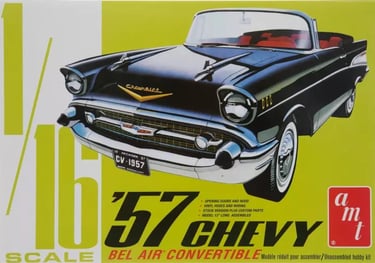
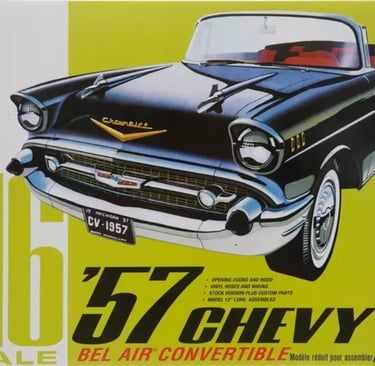
1950s and 1960s sedans, coupes, and convertibles.
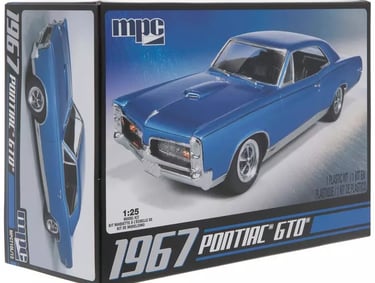
Iconic American muscle cars from the 60s and 70s.
These kits often feature chrome parts, detailed engines, and period-correct interiors.
Modern Performance Cars
Modern car kits focus on sleek lines and aggressive styling.
Sports cars, supercars, and touring cars.
Detailed aero parts and performance wheels.
They’re ideal if you enjoy clean, sharp builds and vibrant paint jobs.
Pickup Trucks and Workhorses
Truck kits highlight utility and strength.
Classic farm trucks, work trucks, and 4x4 off-road builds.
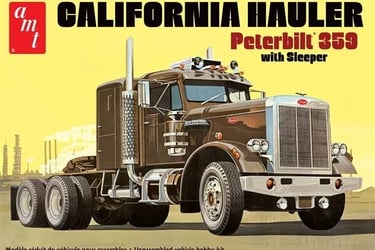
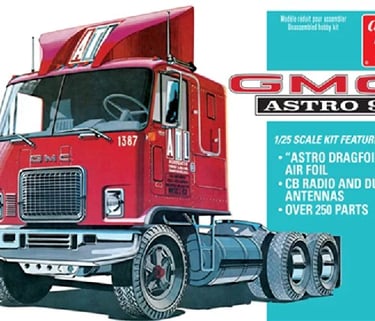
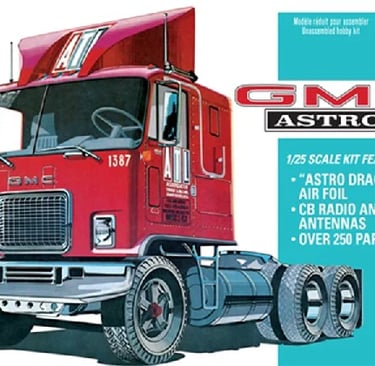
Commercial vehicles and heavy-duty rigs.
Perfect for builders who appreciate rugged designs and weathering effects.
Choosing the Right Scale and Skill Level
Picking the right kit is the first step toward an enjoyable build.
Scale: How Big Should Your Model Be?
Common scales for car and truck plastic kits include:
1:24 / 1:25 – Very popular for cars and light trucks; a great balance of size and detail.
1:32 – Smaller, good for limited display space or younger builders.
1:16 – Larger, more detailed kits for experienced modelers with room to display.
Skill Level: Beginner to Expert
Most kit makers mark difficulty on the box.
Beginner kits – Fewer parts, simpler assembly, often snap-together or minimal glue.
Intermediate kits – More parts, detailed engines, options for customization.
Advanced kits – Complex assemblies, many tiny pieces, ideal for experienced builders.
If you’re just starting, choose a simpler kit so you can focus on learning the basics without getting overwhelmed.
Essential Tools and Supplies for Building Plastic Model Kits
You don’t need a full workshop to get started, just a few core tools.
Side cutters or sprue cutters – For cleanly removing parts from the sprue.
Hobby knife – To clean mold lines and trim excess plastic.
Fine sandpaper or sanding sticks – For smoothing seams and joints.
Plastic cement or model glue – Designed to bond plastic parts together.
Tweezers – Helpful for small, detailed pieces.
Paints and brushes – Acrylic or enamel model paints for body, interior, and details.
Over time, you can add extras like masking tape, primer, decal solutions, and an airbrush if you want to take your builds to the next level.
Building Your First Car or Truck Model: Basic Steps
While every kit is different, most builds follow a similar path.
Read the Instructions First
Take a few minutes to study the instructions and identify the major sections: engine, chassis, interior, body, etc.Clean and Test Fit Parts
Remove parts carefully, trim excess plastic, and test fit pieces before gluing. This helps avoid gaps and misalignment.Assemble in Sub-Sections
Build the engine, interior, and chassis as separate modules.Paint key parts before final assembly for cleaner results.
Paint the Body
Wash the body shell gently with soap and water to remove mold release.
Apply primer, then several thin coats of color.
Let each coat dry fully to avoid fingerprints and runs.
Apply Decals and Final Details
Use water-slide decals carefully with tweezers and a soft brush.
Add final parts like mirrors, bumpers, and clear windows last to avoid damage.
Painting and Detailing Tips for Realistic Results
Good paint and detail work can transform a simple kit into a standout piece.
Use thin coats of paint to avoid hiding surface details.
Mask windows, trim, and two-tone paint schemes with low-tack tape for clean lines.
Detail engines and interiors by picking out raised parts with a small brush and contrasting colors.
Try light weathering on trucks and work vehicles—dust, rust, and dirt effects can add realism.
Take your time; rushing is the enemy of clean, sharp model finishes.
Displaying and Protecting Your Finished Models
Once your car or truck is complete, it deserves a proper place on display.
Shelves and display cases keep models dust-free and safe from accidental bumps.
Group by theme—classic cars on one shelf, trucks on another, or by era and manufacturer.
Keep models out of direct sunlight to prevent fading and warping.
If you build multiple kits over time, your display becomes a personal timeline of your skills and interests.
Why Plastic Model Kits Appeal to Collectors and Hobbyists
Building plastic model kits featuring cars and trucks offers a unique mix of creativity, focus, and nostalgia. You get to explore classic designs, iconic vehicles, and even rare or customized builds that might never exist in real life. For some, it’s a relaxing weekend project; for others, it becomes a serious collection and a way to preserve automotive history in miniature form.
Whether you’re just starting with your first kit or adding another classic to your shelf, each build is a chance to learn, improve, and enjoy the simple satisfaction of creating something with your own hands.
https://www.diecastkars.com
